america the story of us westward worksheet pdf answers
America The Story of Us: Westward ⎯ Worksheet Analysis (2026)
Worksheet availability is noted in PDF and digital formats‚ enhancing learning flexibility. Key-PDF resources comprehensively cover the westward expansion era‚ guiding students through pivotal events.

Overview of the “Westward” Episode
The “Westward” episode of America The Story of Us dramatically chronicles the relentless push to expand the United States beyond the Appalachian Mountains. It vividly portrays the challenges and triumphs faced by pioneers venturing into uncharted territories‚ focusing heavily on the period following the American Revolution. The episode meticulously details the initial explorations and settlements west of the Cumberland Gap‚ highlighting the pivotal role of figures like Daniel Boone in forging a path for others.
Central to the narrative is the struggle for control of land – initially claimed by Britain‚ France‚ and Spain – and the subsequent efforts to secure it for American expansion. The episode doesn’t shy away from depicting the complex and often violent interactions with Native American tribes‚ showcasing the impact of westward movement on their lives and cultures. Furthermore‚ it emphasizes the economic drivers of expansion‚ particularly the lucrative fur trade and the search for valuable commodities.
The Louisiana Purchase is presented as a watershed moment‚ dramatically altering the scope of American ambition and setting the stage for further exploration‚ exemplified by the Lewis and Clark Expedition. The episode also introduces the rugged individuals known as mountain men‚ who played a crucial role in mapping and exploiting the western landscape. Ultimately‚ “Westward” lays the groundwork for understanding the concept of Manifest Destiny and its profound influence on American history.
Worksheet Availability & Formats
Worksheets accompanying the “Westward” episode of America The Story of Us are readily available in multiple formats to cater to diverse teaching and learning environments. Predominantly‚ these resources are distributed as PDF documents‚ ensuring broad accessibility and compatibility across various devices. This format allows for easy printing and offline use‚ making them suitable for traditional classroom settings.
However‚ recognizing the increasing prevalence of digital learning‚ many worksheets are also offered in digital formats. These often include interactive versions compatible with learning management systems (LMS) like Google Classroom or Canvas. This digital accessibility enables seamless integration into remote learning setups and facilitates online submission and grading.
Resources like Classful and airSlate Sig provide access to these worksheets‚ often including comprehensive answer keys for educators. These keys streamline the assessment process and ensure accurate evaluation of student understanding. The availability of both PDF and digital versions demonstrates a commitment to flexible and inclusive educational practices‚ accommodating a wide range of pedagogical approaches and student needs.
Key Themes Explored in the Episode
The “Westward” episode of America The Story of Us delves into several crucial themes central to understanding the nation’s expansion. A primary focus is the struggle for land control‚ specifically west of the Cumberland Gap‚ initially contested by Britain‚ France‚ and Spain‚ as highlighted in course materials. The episode vividly portrays the challenges faced by early settlers‚ exemplified by Daniel Boone’s perilous journey and the significant loss of life – reportedly 50 of Boone’s men – during the initial Kentucky settlements.
Furthermore‚ the episode underscores the pivotal role of the fur trade in incentivizing westward movement and shaping early economic activities. It also examines the complex interactions with Native American populations‚ a theme often requiring nuanced understanding. The monumental Louisiana Purchase is presented as a turning point‚ dramatically expanding US territory and setting the stage for further exploration.
Finally‚ the episode introduces the concepts of Manifest Destiny and the realities of pioneer life along trails like the Oregon Trail‚ prompting reflection on the motivations and consequences of westward expansion. Worksheets effectively guide students through these themes‚ fostering a deeper comprehension of this transformative period in American history.
Control of Land West of the Cumberland Gap
Initially‚ control of the land west of the Cumberland Gap was a complex geopolitical situation‚ not solely held by any single entity. Historical records and worksheet answers indicate that Britain‚ France‚ and Spain all laid claim to portions of this territory. This created a volatile environment for early settlers like Daniel Boone‚ who navigated a landscape fraught with competing colonial interests.
The struggle for dominance wasn’t merely about ownership; it involved establishing trade routes‚ securing resources‚ and exerting political influence. The Cumberland Gap itself became a strategic point of contention‚ representing a gateway to the vast lands beyond the Appalachian Mountains.
As the episode illustrates‚ the eventual American expansion into this region involved displacing these European powers and‚ critically‚ interacting – often conflictually – with the indigenous populations who already inhabited the land. Understanding this initial control dynamic is crucial for grasping the subsequent events of westward expansion and the challenges faced by those seeking to settle the frontier. Worksheets emphasize this layered history.
Daniel Boone and the Cumberland Gap
Daniel Boone emerges as a central figure in the westward expansion narrative‚ particularly concerning the Cumberland Gap. Worksheets consistently highlight his pivotal role in blazing a trail through this natural passage in the Appalachian Mountains. He‚ along with his men‚ undertook the arduous task of cutting a path‚ effectively opening up Kentucky to settlement.
The documentary and accompanying materials emphasize the immense difficulty of this undertaking. Boone’s expedition wasn’t simply a matter of exploration; it was a physically demanding and dangerous endeavor. The worksheets reveal that a significant number – fifty – of Boone’s men perished during the initial attempts to settle Kentucky‚ underscoring the harsh realities of frontier life.
Boone’s legacy extends beyond simply opening the Gap. He represents the spirit of the pioneer – resilient‚ resourceful‚ and willing to risk everything for the promise of a new life. His actions were instrumental in facilitating the flow of settlers westward‚ shaping the future of the American frontier.
Challenges Faced by Early Settlers in Kentucky
Early settlers in Kentucky encountered a multitude of hardships‚ vividly portrayed in the “Westward” episode and reinforced by associated worksheets. The land‚ while promising‚ presented formidable obstacles to survival and establishing a community. The most immediate challenge was the inherent danger posed by the wilderness itself – unpredictable weather‚ rugged terrain‚ and a scarcity of resources.
Worksheets emphasize the high mortality rate among these pioneers. The loss of fifty of Boone’s men is a stark illustration of the risks involved. Beyond the natural elements‚ settlers faced constant threats from wildlife and‚ crucially‚ interactions with Native American tribes defending their territories.
Establishing a sustainable livelihood proved incredibly difficult. Clearing land for farming‚ building shelter‚ and securing food required immense physical labor and ingenuity. The isolation and lack of established infrastructure further compounded these challenges‚ demanding resilience and cooperation amongst the settlers. These difficulties are consistently addressed in the worksheet questions.
The Role of Fur Trade in Westward Expansion
The fur trade played a pivotal‚ often underappreciated‚ role in driving westward expansion‚ a theme explored in the “Westward” episode and reinforced through accompanying worksheets. It acted as a significant economic incentive for exploration and settlement‚ drawing individuals into the uncharted territories west of the Cumberland Gap.
Demand for beaver pelts‚ in particular‚ fueled the ambitions of mountain men and traders. These individuals ventured deep into the wilderness‚ establishing trading posts and forging relationships (often fraught with tension) with Native American tribes. Worksheets highlight how the pursuit of valuable furs opened up new routes and facilitated initial contact with previously unknown lands.
The trade wasn’t simply economic; it also provided crucial knowledge of the terrain‚ resources‚ and Native American cultures. This information proved invaluable to subsequent settlers and explorers‚ like Lewis and Clark. While the worksheets don’t dwell extensively on the ethical implications‚ they acknowledge the trade’s central role in shaping the westward movement.
Most Valuable Commodity in the West
According to resources accompanying “America The Story of Us: Westward‚” and frequently addressed in related worksheets‚ the most valuable commodity in the West during the early 19th century wasn’t gold‚ land‚ or even timber – it was beaver pelts. This surprising fact underscores the economic drivers of westward expansion.
The intense European and American demand for beaver hats created a lucrative market‚ incentivizing mountain men and traders to venture into the wilderness. Worksheet questions often focus on the economic impact of the fur trade‚ emphasizing the high value placed on these pelts. A single beaver pelt could fetch a substantial price‚ fueling further exploration.
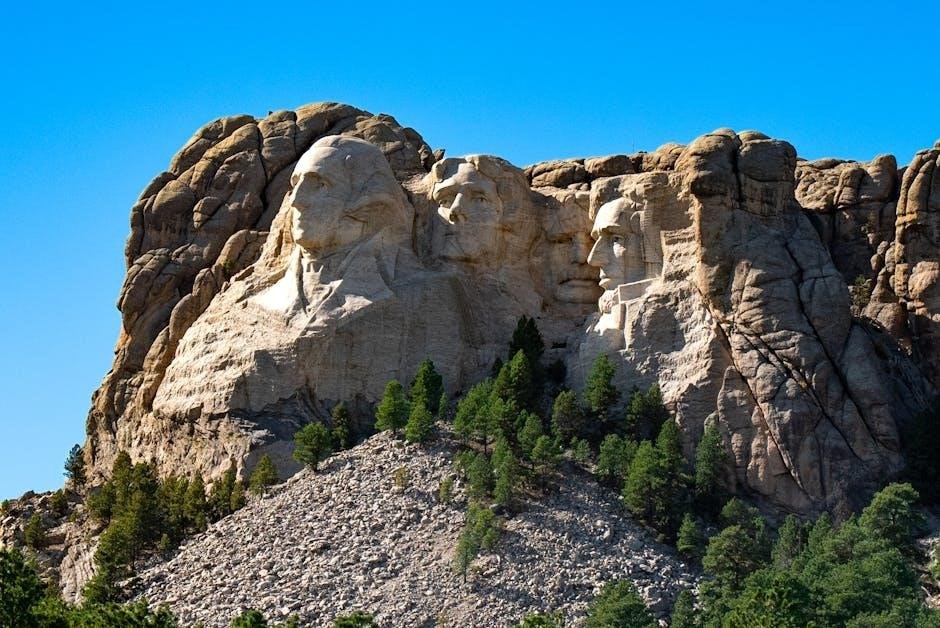
This commodity’s value extended beyond mere profit. The fur trade facilitated interactions with Native American tribes‚ who were crucial partners in the harvesting and trading of beaver. While these interactions were often complex and exploitative‚ they undeniably shaped the landscape of the West. Worksheet analysis reveals how the pursuit of beaver pelts fundamentally altered the region’s economic and social fabric.
Impact of Native American Interactions
“America The Story of Us: Westward” and associated worksheets highlight the profoundly complex and often tragic impact of interactions between settlers and Native American tribes. Worksheet questions frequently address the displacement‚ conflict‚ and cultural clashes that characterized this period.
Initial interactions often involved trade‚ particularly for furs‚ but this quickly devolved into competition for land and resources. The expansion westward led to the forced removal of numerous tribes from their ancestral territories‚ exemplified by policies like the Indian Removal Act. Worksheet analysis reveals the devastating consequences of these actions‚ including loss of life‚ cultural disruption‚ and the erosion of traditional ways of life.
While some instances of cooperation existed‚ the overall narrative emphasizes the imbalance of power and the injustices inflicted upon Native American populations. Resources emphasize the importance of understanding this history from multiple perspectives‚ acknowledging the lasting legacy of these interactions on both cultures.
The Louisiana Purchase and its Significance
“America The Story of Us: Westward” dedicates significant attention to the Louisiana Purchase of 1803‚ and related worksheets underscore its monumental importance in shaping the nation’s future. Worksheet questions probe students’ understanding of the purchase’s context‚ motivations‚ and far-reaching consequences.
The acquisition from France doubled the size of the United States‚ opening vast territories for exploration‚ settlement‚ and resource exploitation. Worksheet analysis reveals how this single act fueled westward expansion‚ providing access to the Mississippi River and the port of New Orleans – vital for trade and agricultural distribution.
The purchase also presented challenges‚ including defining the boundaries of the new territory and navigating relations with Native American tribes and other European powers. Resources highlight the strategic brilliance of Jefferson’s decision‚ recognizing its impact on America’s economic growth‚ geopolitical standing‚ and the realization of Manifest Destiny.
Lewis and Clark Expedition: Goals and Discoveries
“America The Story of Us: Westward” extensively covers the Lewis and Clark Expedition (1804-1806)‚ and accompanying worksheets focus on its ambitious goals and remarkable discoveries. Worksheet questions challenge students to analyze the expedition’s primary objectives – charting a route to the Pacific Ocean‚ establishing trade relations with Native American tribes‚ and documenting the region’s natural resources.
The expedition‚ commissioned by President Jefferson‚ faced immense hardships‚ including navigating treacherous terrain‚ enduring harsh weather conditions‚ and encountering unfamiliar cultures. Worksheet analysis emphasizes the crucial role of Sacagawea‚ the Shoshone guide and interpreter‚ whose contributions were invaluable to the expedition’s success.
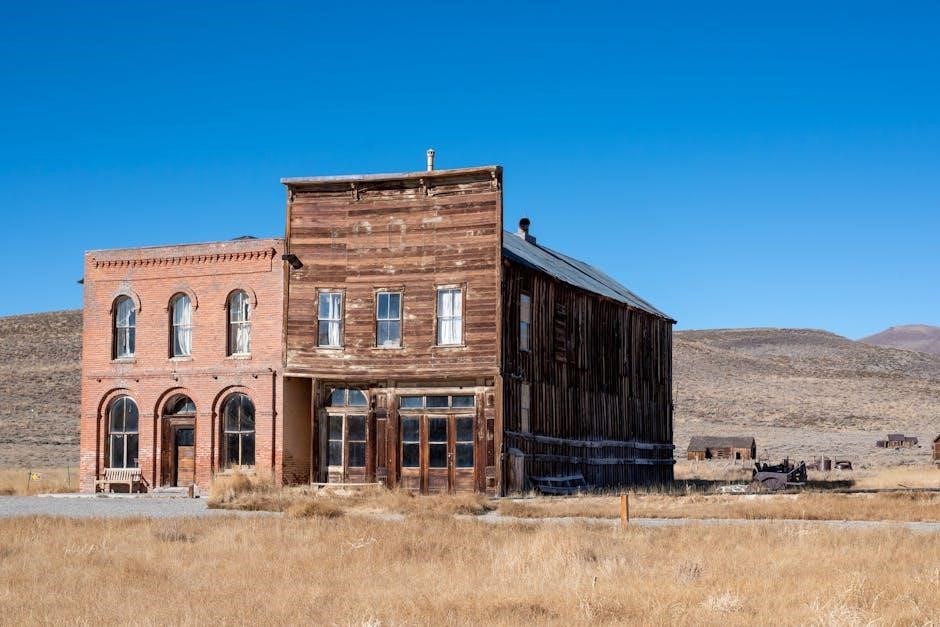
Resources detail the expedition’s scientific findings‚ including the identification of numerous plant and animal species‚ and its impact on mapping the American West. Worksheets highlight how Lewis and Clark’s journey paved the way for further exploration‚ settlement‚ and the eventual fulfillment of Manifest Destiny‚ solidifying America’s claim to the vast western territories.
The Rise of Mountain Men
“America The Story of Us: Westward” dedicates significant attention to the emergence of mountain men – rugged individuals who played a pivotal role in exploring and exploiting the western frontier. Worksheet questions delve into the lifestyle‚ motivations‚ and contributions of these iconic figures‚ such as Jim Bridger and Kit Carson.
These men‚ initially driven by the lucrative fur trade‚ became skilled trappers‚ hunters‚ and frontiersmen‚ forging relationships (often complex) with Native American tribes. Worksheet analysis explores the economic impact of the fur trade‚ particularly the demand for beaver pelts in Europe and America‚ and how it fueled westward expansion.
Resources detail the harsh realities of mountain man life – isolation‚ danger from wildlife‚ and conflicts with rival trappers and tribes. Worksheets emphasize their crucial role as guides and scouts for later settlers and explorers‚ effectively mapping the terrain and establishing rudimentary trails. Their knowledge proved invaluable‚ shaping the future of the American West.
Manifest Destiny and its Influence
“America The Story of Us: Westward” powerfully illustrates the concept of Manifest Destiny – the widely held belief that the United States was divinely ordained to expand its dominion and spread democracy across the North American continent. Worksheet questions directly address this ideology‚ prompting students to analyze its motivations and consequences.

The episode showcases how Manifest Destiny fueled territorial ambitions‚ justifying expansion through purchase‚ annexation‚ and‚ tragically‚ conflict with Native American populations and Mexico. Worksheet analysis encourages critical thinking about the ethical implications of this belief system‚ exploring its impact on indigenous communities and the outbreak of the Mexican-American War.
Resources highlight how Manifest Destiny shaped American identity and national policy‚ driving westward migration and the relentless pursuit of land and resources. Worksheets often include primary source excerpts‚ such as political cartoons and speeches‚ to demonstrate the pervasive influence of this powerful idea during the 19th century.
The Oregon Trail and Pioneer Life

“America The Story of Us: Westward” vividly depicts the arduous journey along the Oregon Trail‚ a 2‚000-mile route that tested the resilience and determination of pioneers seeking a new life in the West. Worksheet questions focus on the challenges faced by these emigrants‚ including disease‚ starvation‚ harsh weather‚ and encounters with Native American tribes.
The episode illustrates the daily realities of pioneer life – building shelters‚ farming the land‚ and establishing communities in a largely untamed wilderness. Worksheet analysis prompts students to consider the sacrifices made by these individuals and the skills required to survive in such a demanding environment.
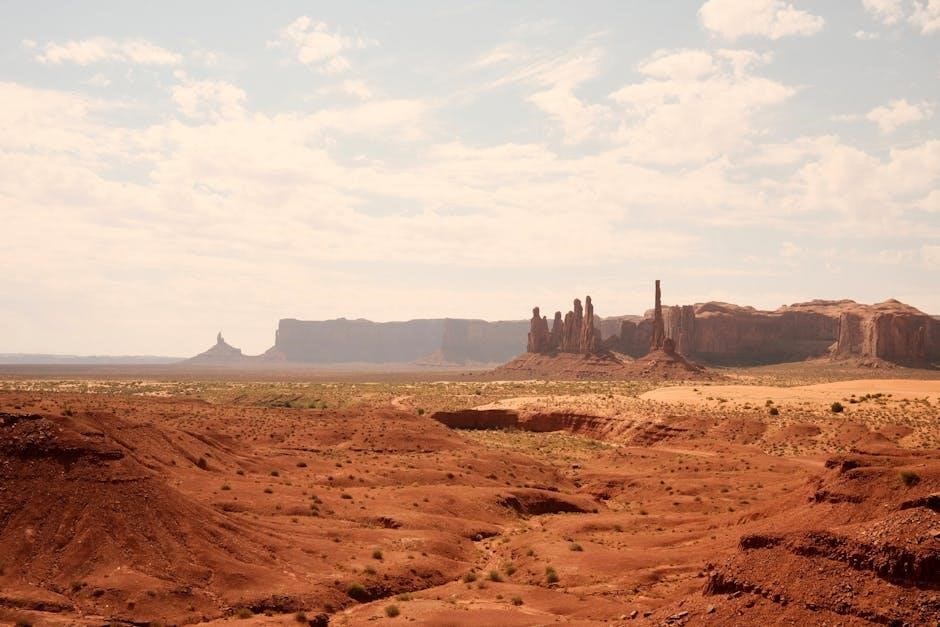
Resources emphasize the importance of cooperation and community among pioneers‚ as they relied on each other for support and assistance. Worksheets often incorporate maps and timelines to help students visualize the route and understand the chronological order of events‚ fostering a deeper appreciation for the courage and perseverance of those who braved the Oregon Trail.
Worksheet Question Types & Assessment Focus
“America The Story of Us: Westward” worksheets commonly employ a variety of question types to assess student comprehension. These include multiple-choice‚ true/false‚ short answer‚ and fill-in-the-blank questions‚ designed to test recall of key facts and events. Analysis reveals a focus on evaluating students’ understanding of cause-and-effect relationships‚ such as the impact of the Louisiana Purchase or the motivations behind westward expansion.
Assessment frequently centers on critical thinking skills‚ prompting students to analyze primary source materials‚ interpret historical maps‚ and draw conclusions based on evidence presented in the episode. PDF resources often include essay questions that require students to synthesize information and articulate their own perspectives.
Worksheet keys provide detailed answers and explanations‚ facilitating effective self-assessment and teacher feedback. The overall assessment focus aims to gauge students’ ability to connect historical events to broader themes of American identity‚ opportunity‚ and conflict‚ ensuring a comprehensive understanding of the westward movement;